top of page
Search

Mastering Color Theory: Mixing Shades and Techniques with Acrylic Paints

Color is a powerful component of art. It can evoke feelings, create atmospheres, and establish visual coherence. For every artist, knowing how to blend colors and use them effectively is crucial for producing captivating works. In this blog post, we will dive into the basics of color theory, explore techniques for mixing shades with acrylic paints, and share practical tips to elevate your artistic journey.


Understanding Color Theory


Color theory explores how colors relate to one another. It includes the color wheel, color harmony, and the psychological effects of colors.


The color wheel is a circular representation of color relationships. It features primary, secondary, and tertiary colors.


  • Primary Colors: Red, blue, and yellow. These colors cannot be created by mixing others.

  • Secondary Colors: Green, orange, and purple. These result from combining two primary colors.


  • Tertiary Colors: Mixing a primary and a secondary color leads to hues such as red-orange or blue-green.


Learning these relationships is your first step to mastering color mixing.


ree

The Color Wheel and Its Importance


The color wheel serves as more than an artist’s tool; it guides color interactions in artwork.


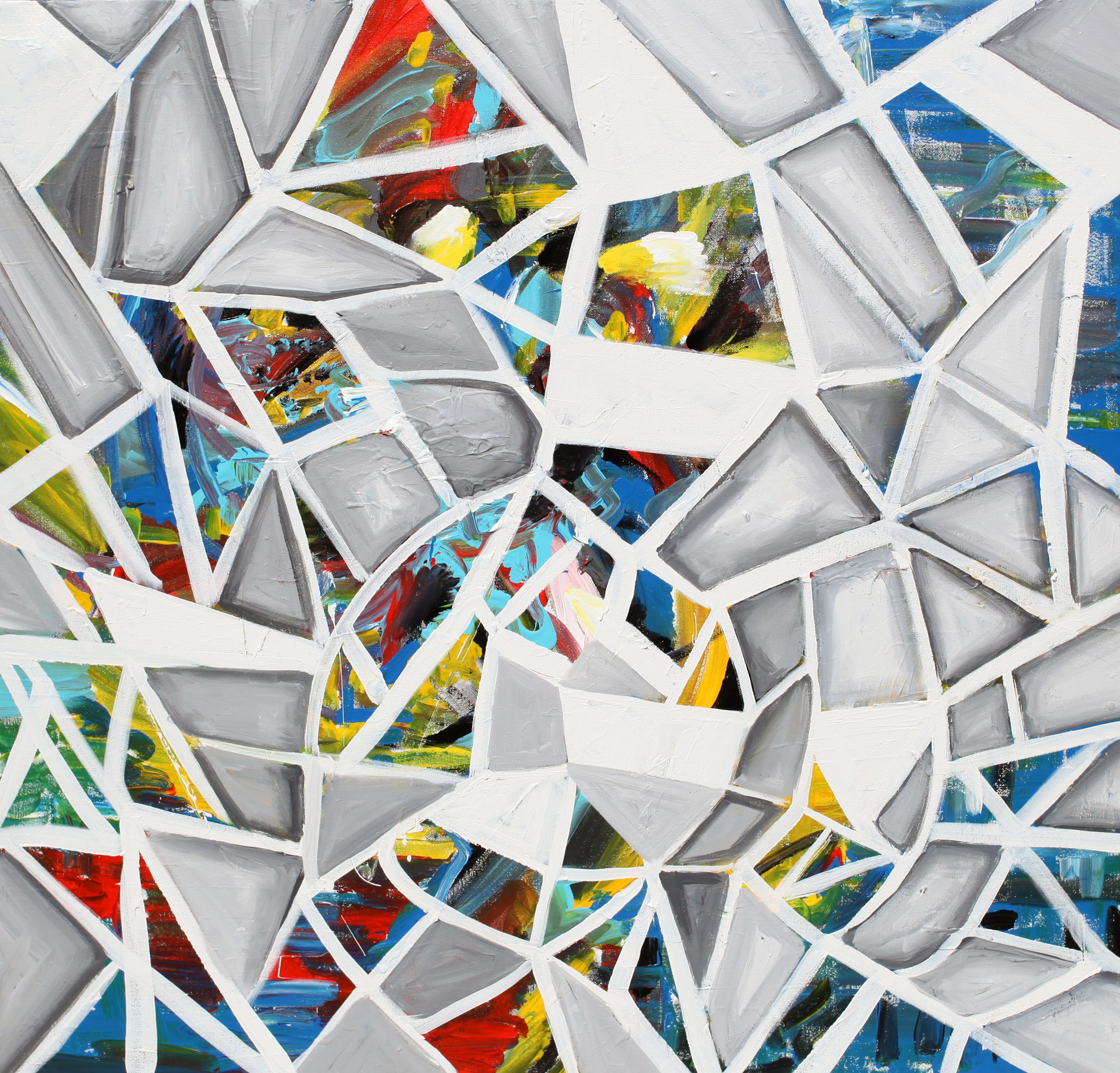
Colors that sit opposite each other are termed complementary colors. For instance, red and green are complementary. When placed side by side, they produce a striking contrast, enhancing the vibrancy of each color. A study found that using complementary colors can increase the visual impact of artwork by up to 30% in viewer engagement.


Conversely, analogous colors, which are next to each other on the wheel like blue, blue-green, and green, create harmony. Using these colors together can produce a calming effect, perfect for serene compositions found in landscapes or still-life paintings.


Mixing Shades with Acrylic Paints


Acrylic paints are famous for their versatility and ease of use. Mixing shades with acrylics can be both enjoyable and fulfilling. Here are some techniques to help you get started:


1. Basic Mixing Techniques


To mix colors, begin with a basic palette. A palette knife or brush is essential for combining paints.


  • Tints: When you add white to a color, you create a tint, which lightens the original shade. For example, mixing white with red results in various shades of pink, which can evoke feelings of softness.


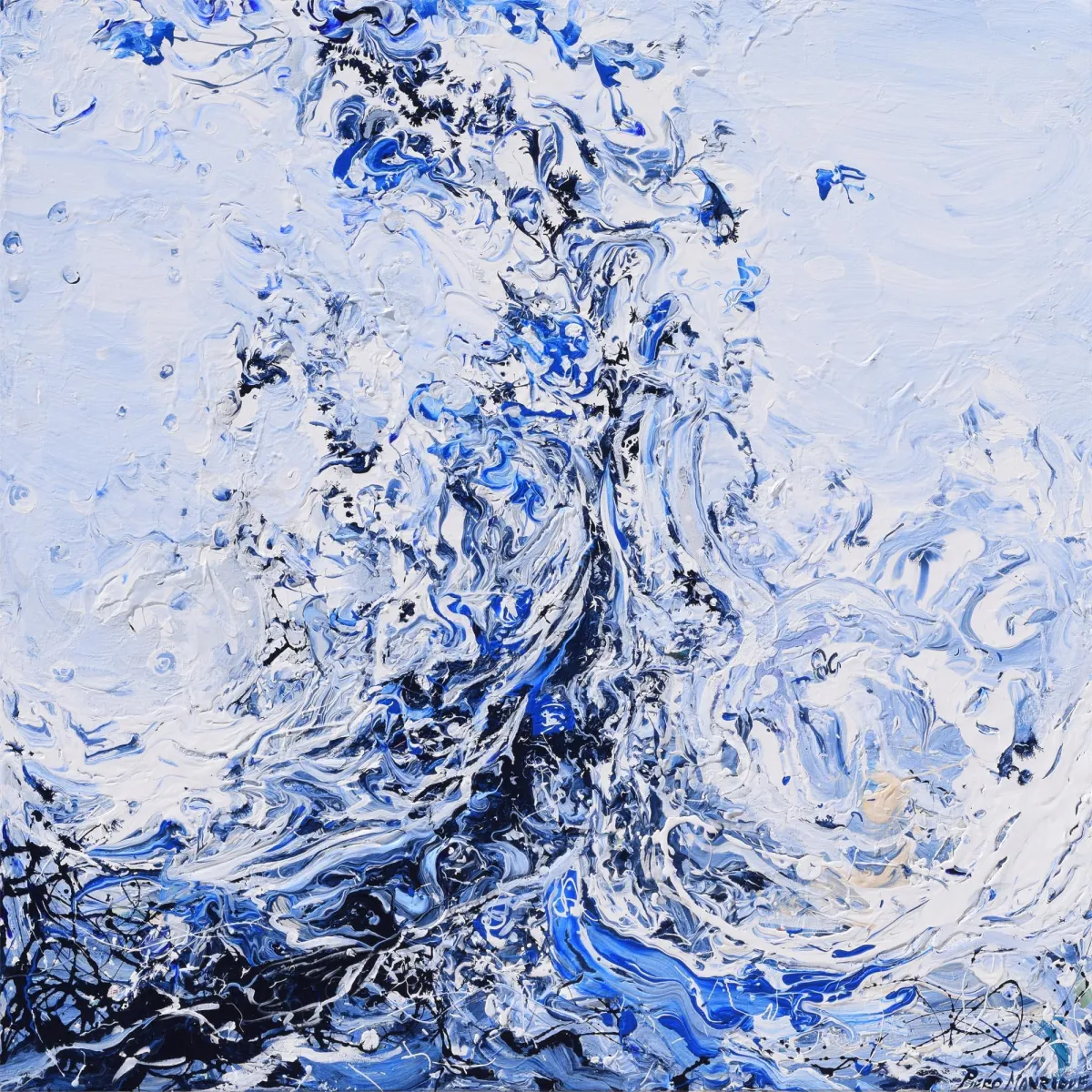
  • Shades: Adding black to a color creates a shade. This darkens the hue and gives depth. For instance, mixing black with blue crafts a rich navy, often associated with sophistication in design.


  • Tones: By mixing gray (a blend of black and white) with a color, you create a tone. This can tone down the vibrancy, which is often desirable in portraits to create a more realistic look.

ree

2. Experimenting with Color Mixing


Don’t hesitate to experiment! Mixing colors can yield surprising and beautiful outcomes.


Consider making a color chart. For example, if you mix a 50/50 ratio of blue and yellow, you’ll achieve green. Gradually adjust the ratios, such as 70% blue to 30% yellow, to see how it alters the shade. This practice boosts your understanding of how colors result from different mixtures and can help you find the perfect shades for your artwork.


3. Using a Color Wheel for Guidance


A nearby color wheel can be invaluable while mixing paints. It acts as a reference, aiding your understanding of which colors complement or contrast each other.


When mixing, glance at the wheel to find potential color combinations. This insight will help you make educated decisions about your palette choices.


Eye-level view of a vibrant acrylic paint palette with mixed shades
Acrylic paint palette showcasing a variety of mixed shades

Advanced Mixing Techniques


After grasping the basics, you can delve into more advanced mixing techniques to enrich your artwork.


1. Glazing


Glazing involves applying a thin, transparent layer of paint over a dried layer. This technique adds depth and luminosity to your piece.


To glaze, mix a small amount of paint with a glazing medium or water until it’s transparent. Apply the glaze over your dried painting, allowing the underlying colors to peek through. For instance, glazing over a blue base with a transparent orange can create a stunning illumination effect, which appears in many classic artworks.


2. Scumbling


Scumbling applies a thin, opaque layer of lighter paint over a dried layer of darker paint, producing a textured effect.


Use a dry brush to apply the lighter color. This allows some of the darker color to come through. This technique is especially effective for creating cloud textures in skies or visual depth in foliage. For instance, using a warm white over dark green creates lively leaves that catch the light.


3. Wet-on-Wet Technique


The wet-on-wet technique consists of applying wet paint onto wet paint, allowing colors to blend seamlessly.


To use this technique, apply your first layer of paint on the canvas, then add a second color while it’s still wet. This blending creates smooth transitions and gradients, such as soft skies at sunset where colors flow together effortlessly.


Color Psychology in Art


Understanding color psychology can greatly enhance your artwork. Different colors trigger various emotions and can shape how viewers interpret your creations.


  • Red: Often evokes feelings of passion, energy, and excitement. Studies show it can raise heart rates.

  • Blue: Conveys calmness and trust, making it popular in corporate branding; about 40% of people associate blue with stability.


  • Yellow: Radiates happiness and warmth, commonly used to attract attention in advertising.


  • Green: Symbolizes nature and growth, often used in wellness industries due to its calming effects.


  • Purple: Reflects creativity and luxury. For instance, studies indicate that purple can enhance creativity by about 20%.


When selecting colors, think about the emotions you wish to convey. This awareness elevates your work's impact.


ree

Practical Tips for Using Color in Your Artwork


Here are a few straightforward tips to help you use color effectively in your acrylic paintings:


1. Start with a Limited Palette


Using a limited palette can simplify your mixing experience. Select a few primary colors, such as blue, red, and yellow, and explore their combinations. This practice encourages a deeper understanding of color interactions without feeling overwhelmed.


2. Keep a Color Journal


Maintain a color journal to track your mixing experiments. Document ratios and outcomes, noting how colors interact. This reference will prove invaluable for future projects and discover what combinations work best for you.


3. Observe Nature


Nature offers a brilliant spectrum of colors. Spend time observing the colors around you, from vibrant sunsets to lush green forests.


Try to replicate these shades in your artwork, focusing on how colors blend. Engaging with real-world colors can enhance your ability to mix and use them effectively.


4. Trust Your Instincts


While color theory provides a great starting point, trust your instinct when mixing colors. Art is subjective, so what resonates with one person may not with another.


Experimentation is key. Find your style and color preferences through trial and error.


Embracing Your Color Journey


Mastering color theory and mixing shades with acrylic paints is an ongoing adventure filled with practice and exploration. By understanding fundamental color relationships, trying various mixing techniques, and considering the psychological effects of colors, you can enrich your artistic expression.


Keep experimenting, listen to your instincts, and always enjoy the creative process. As you practice, you'll deepen your understanding of color and learn how to wield it effectively in your artwork. Happy painting!


Comments


bottom of page